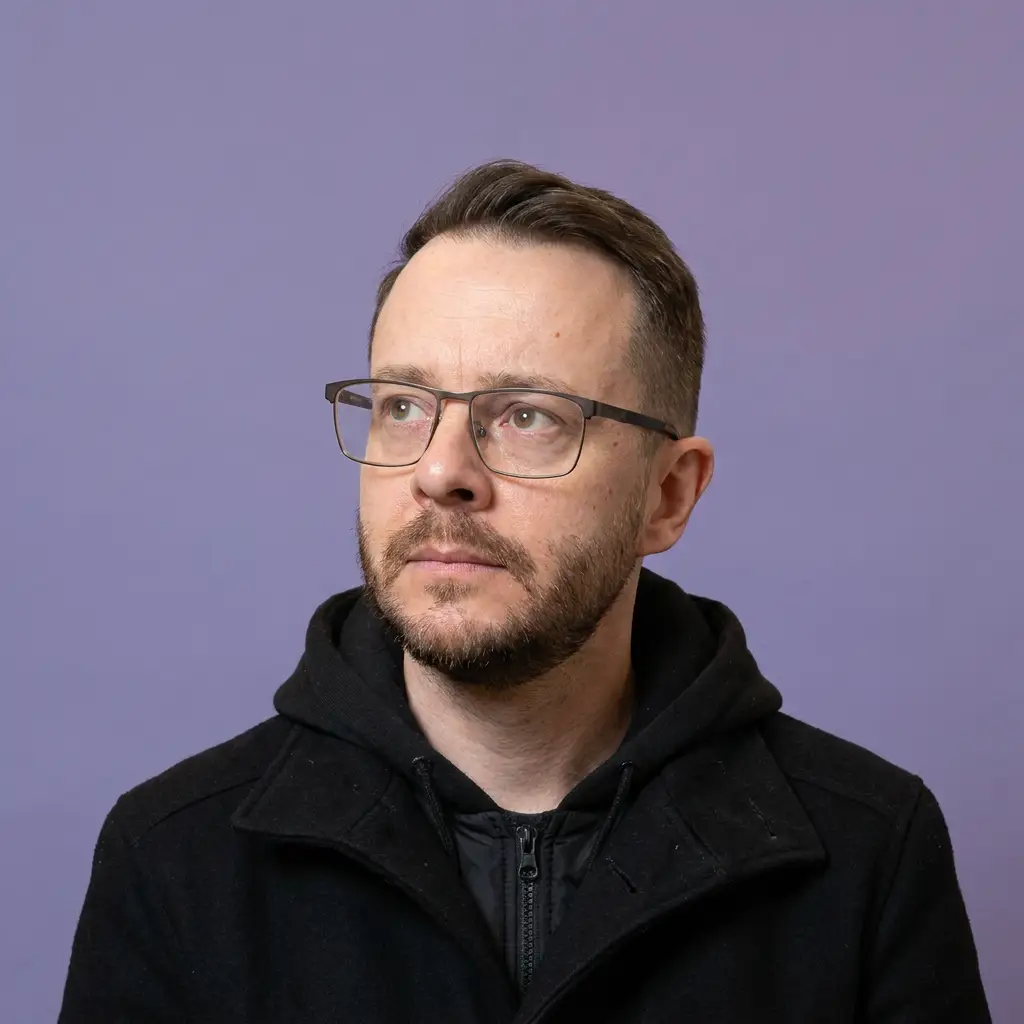
Mikhail Mirzayanov
Founder & CEO of Codeforces, ICPC 2006 World Champions Coach
Study a Bachelor of Computer Science in Barcelona and earn a computer science degree designed for future software engineers, AI specialists, and tech entrepreneurs.

Because tools and frameworks change quickly, we focus on principles that last. As AI and automation reshape how software is built, it becomes especially important to understand what's happening under the hood. This programme prepares you not only to use technology, but to design, build and improve it over time.
of graduates working in their field within six months
industry practitioners you learn from each year — people you won't find in any other classroom
of students have their tuition fully covered by a company from day one
ICPC World Finals 2024 · Gold medal · 4th worldwide · 1st in Europe
From day one, three things run in parallel — your modules, a long-term project, and, for many students, real work with an employer.
14 three-week modules a year. Each one, you pick a course — taught by a working practitioner — and build your degree one module at a time, with a coordinator helping you plan ahead.
One long-term project, running the whole degree. It starts on day one and grows with your skills — by graduation it's a real, finished piece you can show an employer.
Selected students work part-time for a company while they study — tuition fully covered. You join a real team from day one. By graduation you're not entering the job market; you're already in it.
Every teacher at Harbour.Space holds an active role in industry today. 15 years average industry experience. 22 countries represented. 350+ teachers.
Mikhail Mirzayanov
Founder & CEO of Codeforces, ICPC 2006 World Champions Coach
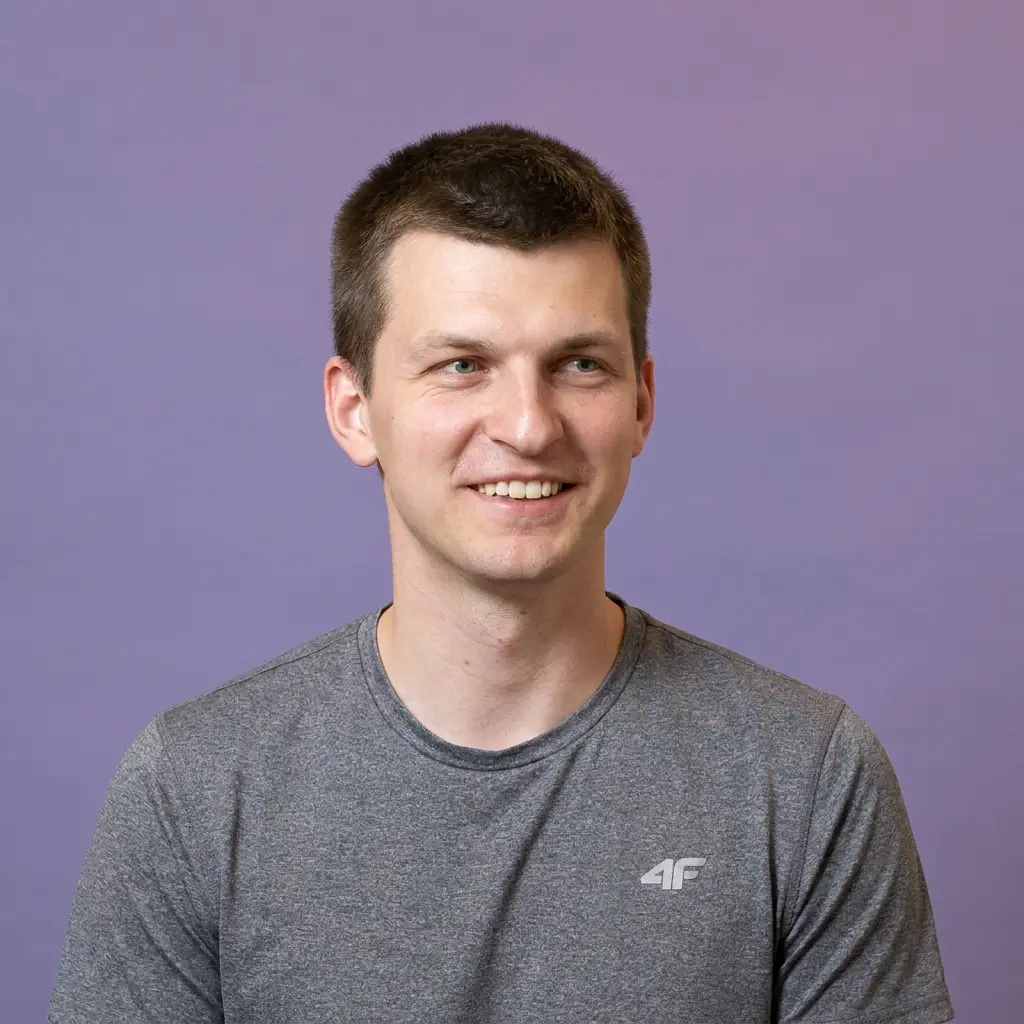
Kamil Debowski
Competitive Programming Teacher
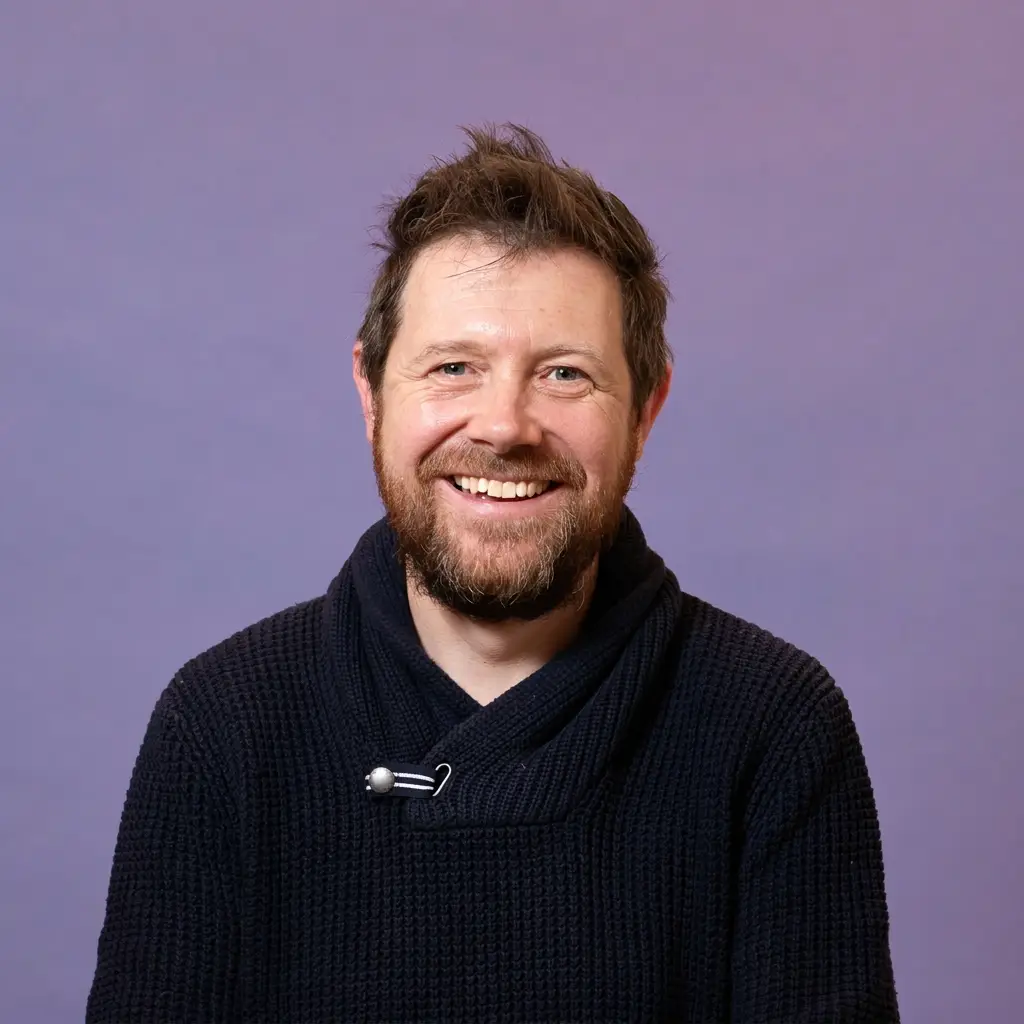
Nico Deblauwe
Freelance Full Stack Developer & Innovation Expert
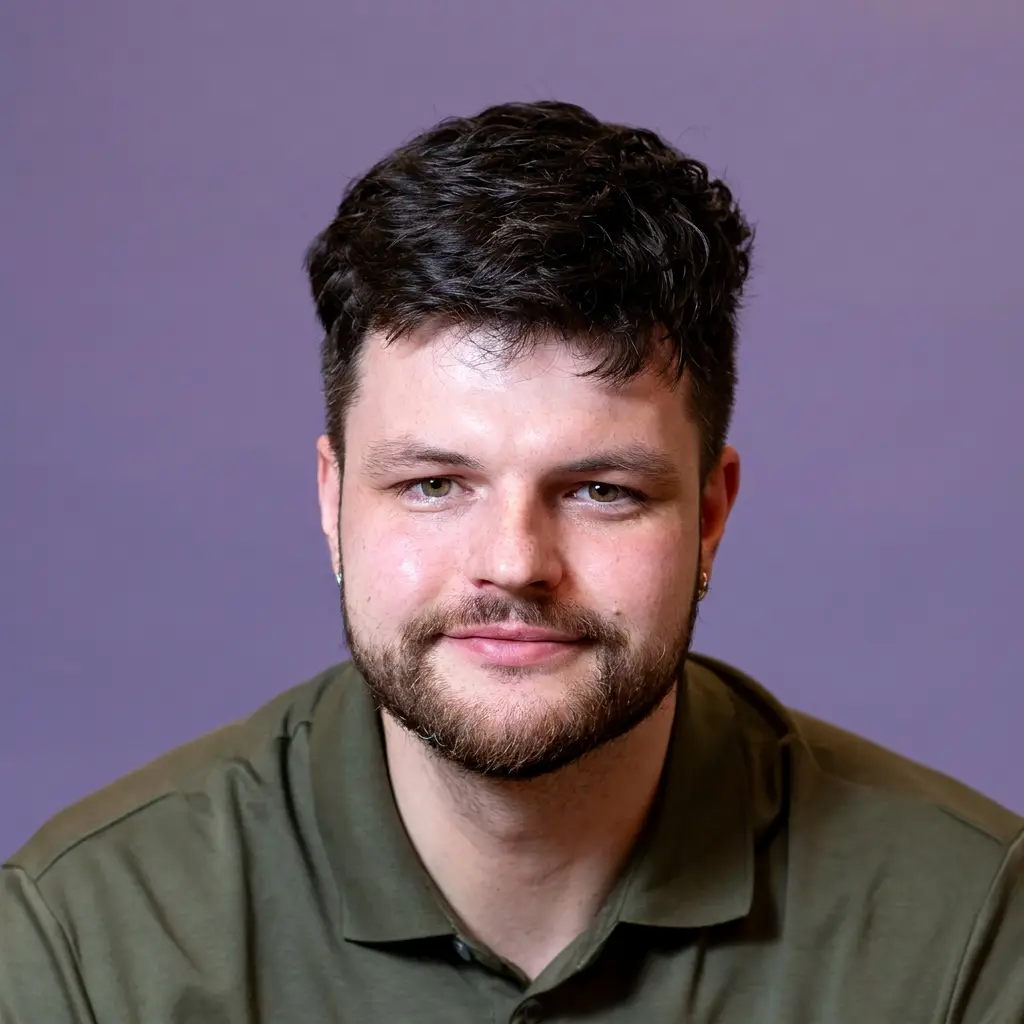
Igor Sakhanov
Staff Software Engineer at Glovo

Anton Topchii
Senior Backend Developer at Byrd
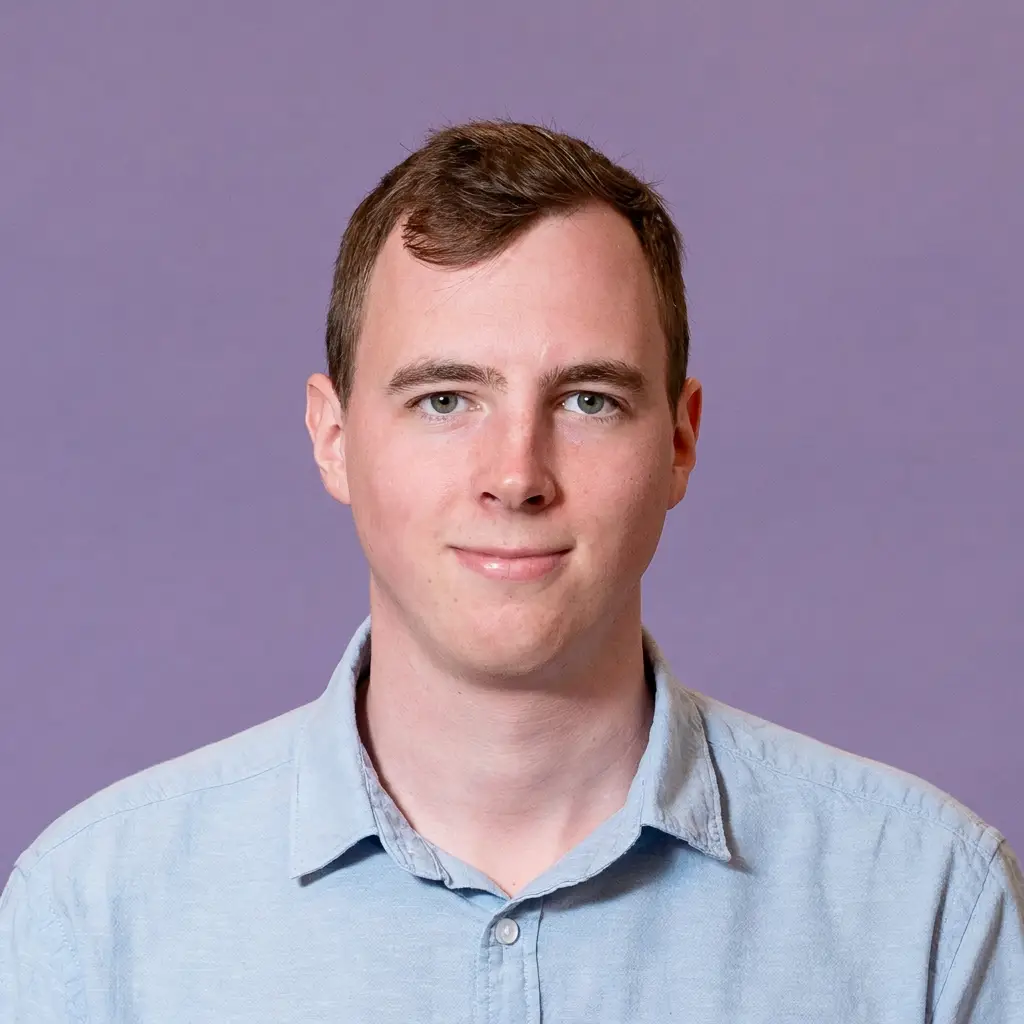
Nikolay Kalinin
Codeforces Chief Problem Coordinator, Postdoc at Max Planck Institute, Germany
Your degree has 42 module slots over three years. Each slot is filled by one course, three weeks long. Ten slots are required for all Computer Science students. The other 32 you choose yourself.
required for all Computer Science students
These 10 courses are selected by us and required for every Computer Science student — programming, algorithms, data and the mathematics behind them. You do not choose these; they are the same for every Computer Science student.
Foundations
courses you choose within your major
These 5 slots are yours to fill, but from a defined set of Computer Science courses. You choose which ones — from advanced topics and professional skills — to specialize in the direction that fits you. All of them count toward your CS degree.
Major specialization · Professional skills
courses you choose from any subject, any major
Twenty-seven of your 42 slots are completely open. Pick courses from any major — Computer Science, Design, Entrepreneurship, or anything else. No two students fill these 27 slots the same way.
A second major · Cross-disciplinary skills · Soft skills
Go deeper in Computer Science, or aim your free modules at another discipline entirely.
All-in on Computer Science
Go all-in on algorithms, systems and maths — and graduate a deep, versatile engineer.
Computer Science + Data & AI
Turn data into intelligence — models, pipelines, and the systems that run them in production.
Computer Science + Cyber Security
Break it to build it safer — secure systems from the inside out.
Computer Science + Front-end
Ship things people actually use — front-end, back-end and mobile end to end.
Computer Science + Business
Ship the product and run the company — the engineer who builds the business.
All-in on Computer Science
Go all-in on algorithms, systems and maths — and graduate a deep, versatile engineer.
Computer Science + Data & AI
Turn data into intelligence — models, pipelines, and the systems that run them in production.
Computer Science + Cyber Security
Break it to build it safer — secure systems from the inside out.
Computer Science + Front-end
Ship things people actually use — front-end, back-end and mobile end to end.
Computer Science + Business
Ship the product and run the company — the engineer who builds the business.
All-in on Computer Science
Go all-in on algorithms, systems and maths — and graduate a deep, versatile engineer.
Computer Science + Data & AI
Turn data into intelligence — models, pipelines, and the systems that run them in production.
Computer Science + Cyber Security
Break it to build it safer — secure systems from the inside out.
Computer Science + Front-end
Ship things people actually use — front-end, back-end and mobile end to end.
Computer Science + Business
Ship the product and run the company — the engineer who builds the business.
All-in on Computer Science
Go all-in on algorithms, systems and maths — and graduate a deep, versatile engineer.
Computer Science + Data & AI
Turn data into intelligence — models, pipelines, and the systems that run them in production.
Computer Science + Cyber Security
Break it to build it safer — secure systems from the inside out.
Computer Science + Front-end
Ship things people actually use — front-end, back-end and mobile end to end.
Computer Science + Business
Ship the product and run the company — the engineer who builds the business.
Not defined by grades or passport — but by how they take on real problems, and how fast they grow.
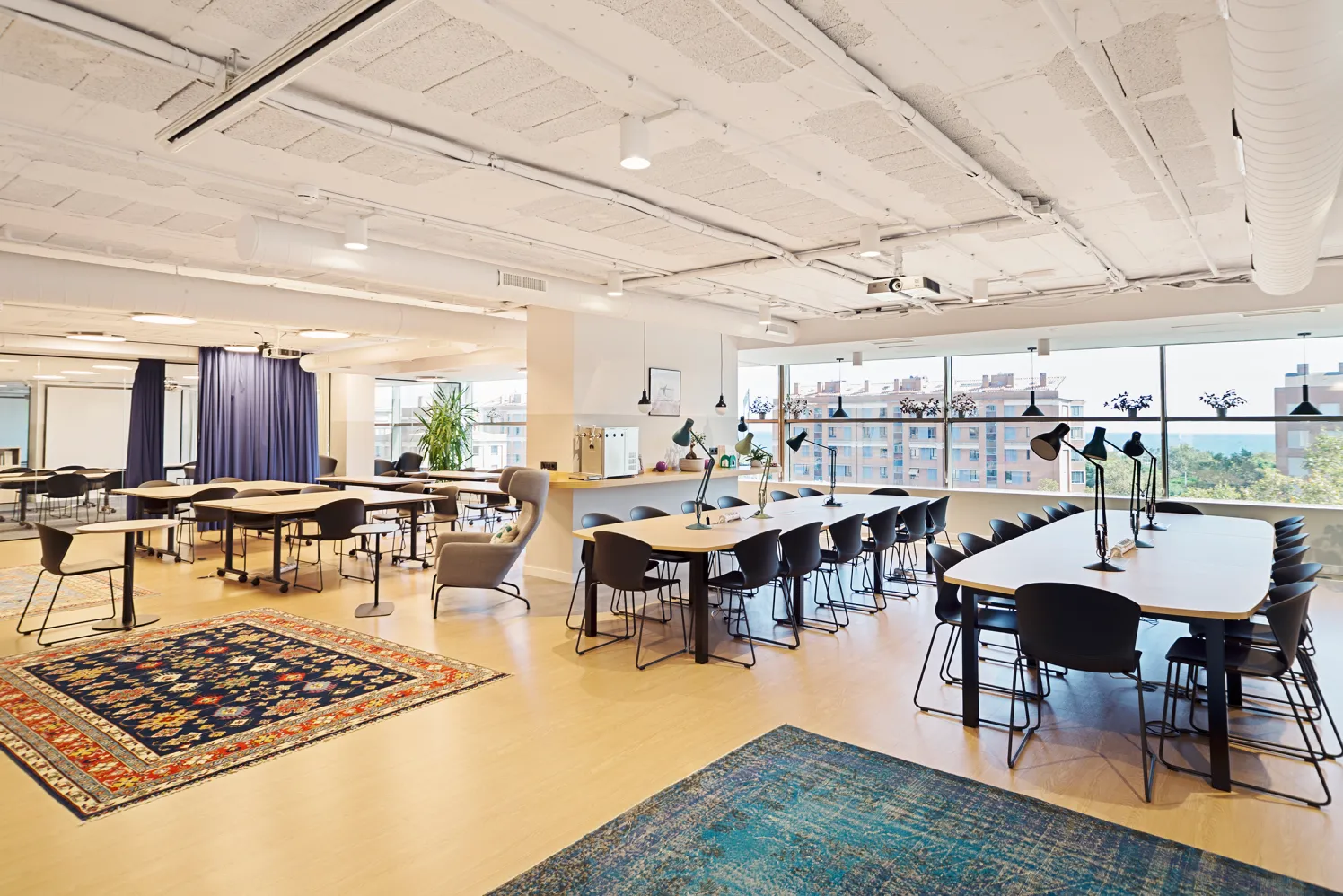
Join a campus in a coastal city known for its design culture, neighbourhood life and international community. In Barcelona, you’ll balance focused study with everyday access to galleries, cafés, tech meetups and the Mediterranean just a short ride away.



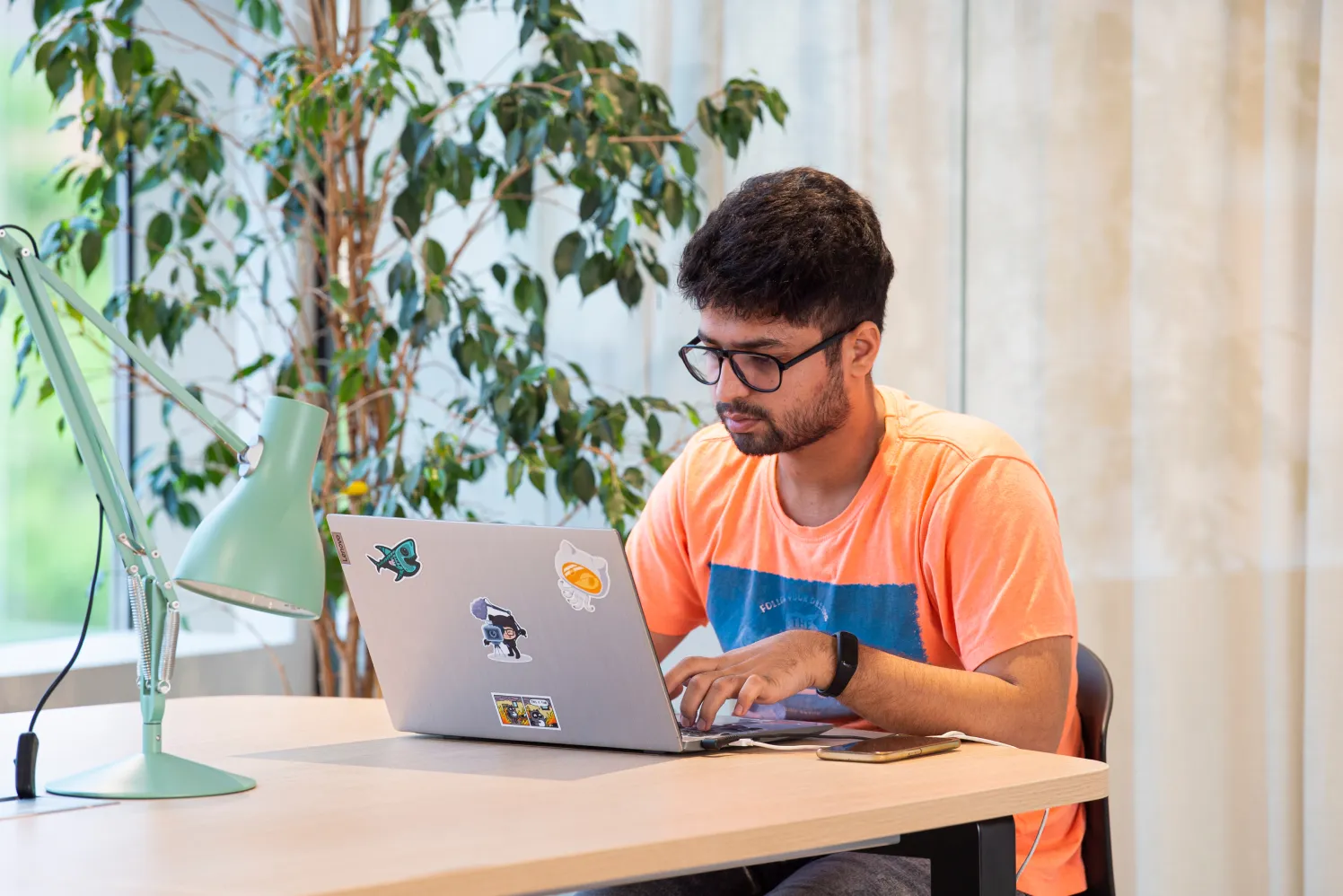

Spend a semester at our Bangkok campus (UTCC) and earn a second accredited diploma.
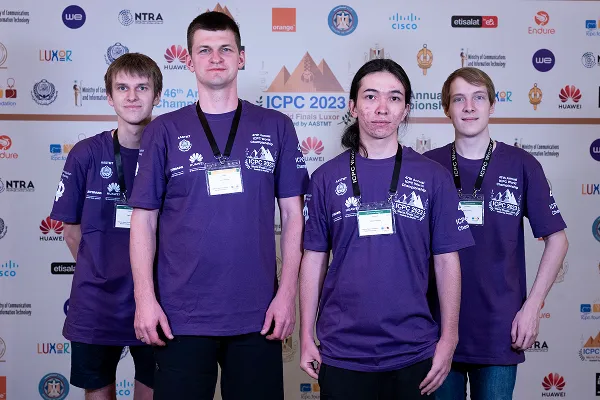
Of 50,000+ students in the ICPC each year, fewer than 140 reach the World Finals. Our model puts us among them — ahead of MIT, Stanford and Oxford.
The first European institution to reach a top-four finish that year — ahead of MIT, Stanford and Oxford.
Financial circumstance is never the deciding factor in who gets in. At least one in four students is fully sponsored — these aren't aid categories, they're funding models built around what you bring.
Highly-competitive entrance point. A company selects you before studies begin. They cover tuition and living costs, and you work part-time with that team while studying.
When this opportunity is available, you can be selected to contribute to institute teams — real tools, real research, real products. The institute covers tuition, and you build a verifiable portfolio from day one.
Pay tuition directly, with merit-based reductions. As you skill up here, you can be placed into partially funded tracks — readiness, not circumstance, sets your price.
The things applicants ask us most — about admissions, costs and life in Barcelona.
You need a completed secondary education and a strong foundation in mathematics. We also look at your motivation and any projects you have built — formal grades matter less to us than how you think and what you make.
No. Many of our strongest students arrived with little or no programming experience. We expect curiosity and the willingness to work hard; the technical foundations are what the first year is for.
Tuition covers everything required to complete your studies, including courses, academic materials, assessments, and access to the program’s learning systems. Merit-based reductions and partially funded tracks are available.
Yes. All courses, projects and assessments are in English, and our student body is genuinely international. Living in Barcelona, picking up some Spanish along the way is a nice bonus, not a requirement.
Most international students need a student visa to study in Spain, but requirements depend on your nationality, residency status, and length of study. Once you are admitted, our admissions team will guide you on what to check, which documents you may need, and the timelines to plan around.